How to Handle Fever in Children Safely
Fever in children is usually a temporary rise in body temperature that helps the immune system fight infection. A temperature of 100.4°F (38°C) or higher is generally considered a fever. Most fevers can be managed with fluids, rest, comfort measures, and correctly dosed medicine when needed—but age and symptoms matter.
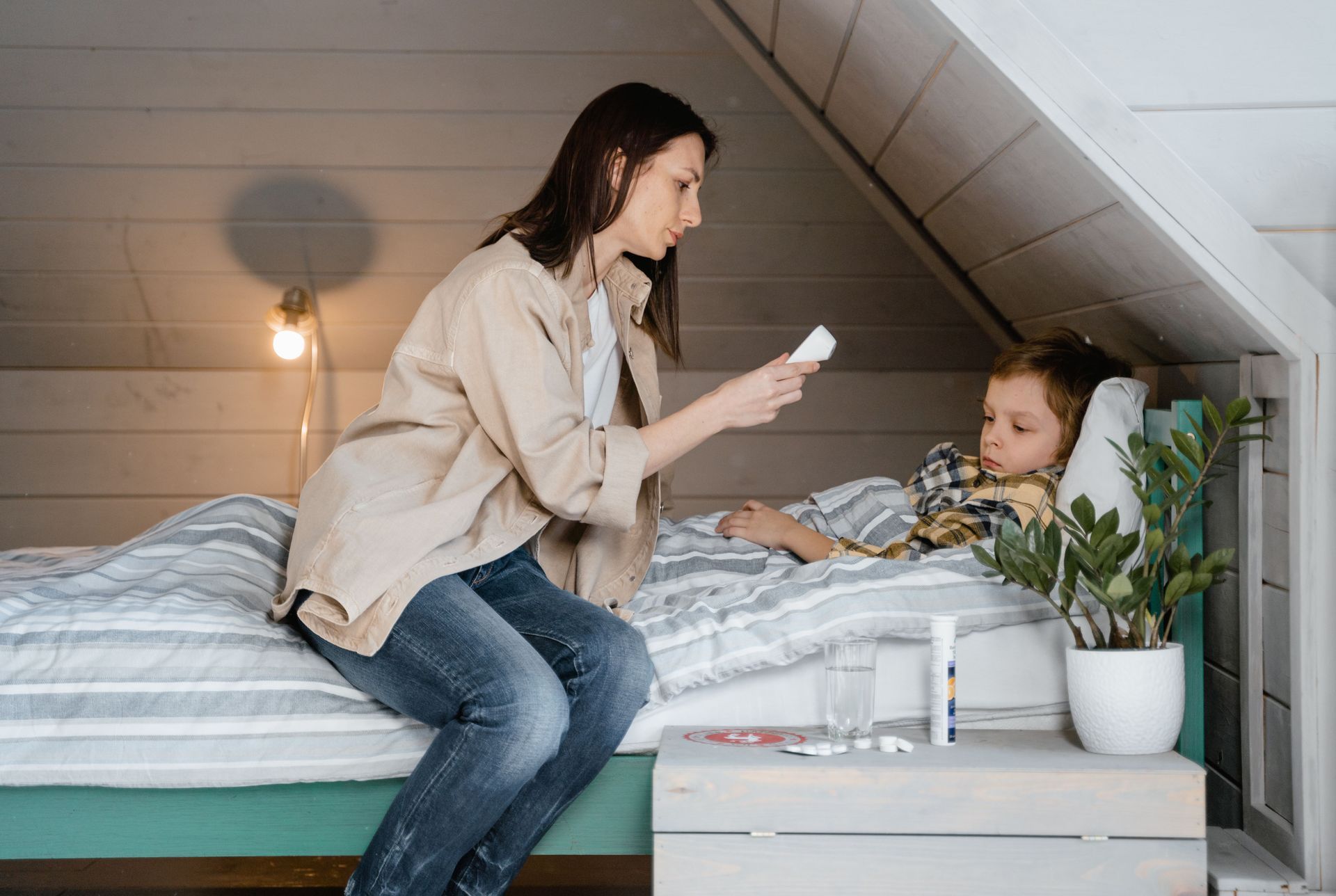
What temperature counts as a fever in children?
A rectal temperature of 100.4°F (38°C) or higher is considered a fever. Temperature readings can vary depending on the method used, so follow the thermometer’s instructions and tell your child’s healthcare team how the temperature was measured.
Fever is a symptom, not a disease. It often means the body is responding to an infection, such as a cold, influenza, or another viral illness. Fever itself is not usually harmful, and the number on the thermometer is only one part of the picture. Your child’s age, behavior, breathing, hydration, and other symptoms are also important.
For information about common illnesses in the community, visit What’s Going Around?. You can also review the Medical Information Library for general health guidance.
Why do children get fevers?
When the immune system detects an infection, it releases chemicals that tell the brain to raise the body’s temperature. This change can make it harder for some germs to thrive and can help immune defenses work effectively.
A fever may occur with:
- Viral infections, including colds and flu
- Ear, throat, or urinary infections
- Other bacterial infections
- A reaction after some immunizations
- Less commonly, inflammatory or other medical conditions
Antibiotics do not treat viral infections. If your child has a fever, focus first on how they look and act, whether they are drinking, and whether they are breathing comfortably.
How can I keep my child comfortable with a fever?
The goal is comfort and hydration—not necessarily returning the temperature to normal. Offer frequent fluids, allow your child to rest, and dress them in lightweight clothing. A comfortable room-temperature environment is usually best.
Helpful steps include:
- Offer water, breast milk, formula, or an oral rehydration solution as appropriate for your child’s age.
- Encourage small, frequent sips if nausea or poor appetite makes drinking difficult.
- Let your child rest, but you do not need to force bed rest if they feel well enough to play quietly.
- Use a lukewarm cloth if it feels soothing. Avoid ice baths, cold-water baths, or rubbing alcohol.
- Check on your child regularly, including during the night if they are very young or seem unusually ill.
Eating less for a short time is common. Drinking and urinating are more important. Contact our office if your child is unable to keep fluids down, is urinating much less than usual, or seems increasingly weak.
Should I give fever medicine?
Fever medicine may help a child feel more comfortable, but it is not required for every fever. Dosing is based on weight, not simply age. Use the measuring device that comes with the medicine and carefully check the active ingredient to avoid giving duplicate products.
Please check with our office for the correct dose for your child, especially if your child is younger than 2 years, has a medical condition, takes other medicines, or has been vomiting or dehydrated.
You can learn more about safe medication use with our Medicine Dosages resources, including how to dose Acetaminophen and Ibuprofen. These resources do not replace individualized advice from your child’s pediatrician.
When should I call the pediatrician about a fever?
Call Chapel Hill Children & Adolescents’ Clinic for guidance when:
- Your baby under 3 months has a temperature of 100.4°F (38°C) or higher . This requires prompt medical evaluation; do not wait to see if it improves.
- Your child has a fever lasting several days or a fever that repeatedly returns.
- Your child has significant pain, worsening cough, ear pain, painful urination, a persistent sore throat, or another concerning symptom.
- Your child is drinking poorly, vomiting repeatedly, or urinating much less than usual.
- Your child has a weakened immune system or a complex medical condition.
- You are worried or unsure what to do, even if the temperature is not especially high.
A same-day sick visit may be appropriate when your child needs an examination. Learn more about our Same-Day Sick Visits and Appointments .
When is a child’s fever an emergency?
Call 911 or go to the nearest emergency department if your child has trouble breathing, blue or gray lips, severe difficulty waking, a seizure lasting more than five minutes, or appears critically ill.
Trust your instincts. If your child looks much sicker than the temperature alone suggests, seek urgent help. Our Emergencies page offers additional guidance, but it should not delay emergency services.
Fever myths parents often hear
“A higher fever always means a more serious illness.” Not necessarily. The child’s overall condition matters more than the number alone.
“Every fever must be brought down.” Treatment is mainly for comfort. A child who is drinking, responsive, and comfortable may not need medicine.
“A fever means antibiotics are needed.” Many childhood infections are viral and improve without antibiotics. A clinician can determine whether testing or treatment is needed.
“A child with fever should be bundled up.” Heavy blankets can increase discomfort. Use light layers and adjust them based on how your child feels.
Quick parent checklist
When your child has a fever, record the temperature, time, measurement method, symptoms, fluid intake, urination, and any medicine given. Keep the medicine container nearby so you can share the exact product and strength with our team.
If your child is under 3 months and has a temperature of 100.4°F or higher, contact us promptly for instructions. For severe breathing problems, unresponsiveness, seizure, or signs of a life-threatening emergency, call 911.
Frequently asked questions about fever in children
What temperature counts as a fever in children?
A rectal temperature of 100.4°F (38°C) or higher is considered a fever. Tell your child's healthcare team how the temperature was measured.Should I give my child fever medicine?
Fever medicine may help a child feel more comfortable, but it is not required for every fever. Dosing is based on weight, not simply age, so check with our office for the correct dose.
When should I call the pediatrician about a fever?
Call promptly if a baby under 3 months has a temperature of 100.4°F (38°C) or higher, if the fever lasts several days or keeps returning, if your child is drinking poorly or urinating much less than usual, or if you are worried or unsure what to do.Does every fever need to be brought down?
No. Treatment is mainly for comfort. A child who is drinking, responsive, and comfortable may not need medicine.
What to remember about fever in children
Fever in children is commonly the body’s response to infection and is usually manageable at home when a child is breathing comfortably, drinking, urinating, and responding normally. Focus on fluids, rest, light clothing, and comfort. Fever medicine should be measured according to your child’s weight, so check with our office for the right dose. Call promptly for any fever in a baby under 3 months, persistent or concerning symptoms, or dehydration. When breathing, alertness, or overall appearance is seriously abnormal, seek emergency care. If you are uncertain, contact Chapel Hill Children and Adolescents' Clinic for personalized advice.
latest news