Bronchiolitis (and RSV)

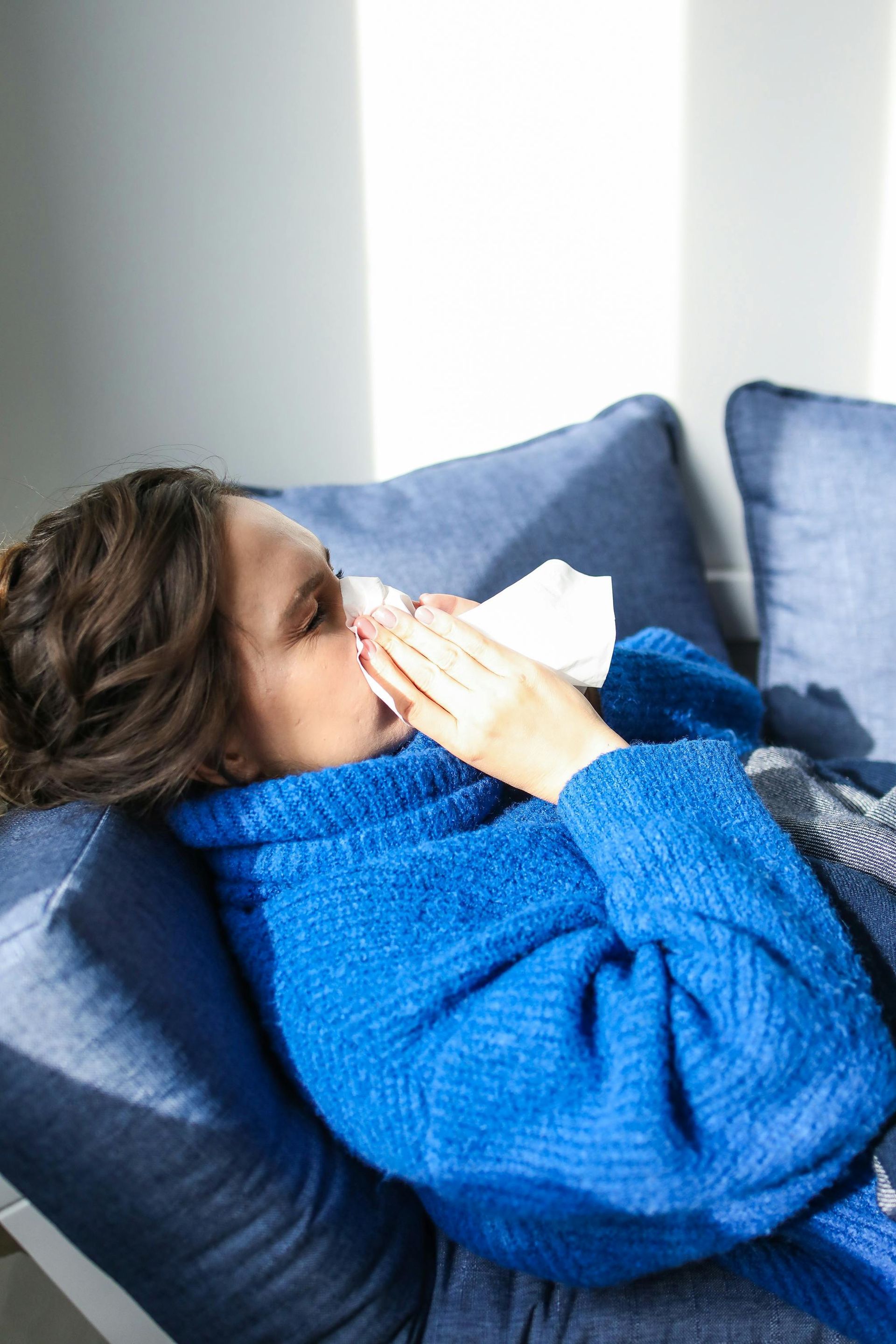
We are currently seeing cases of bronchiolitis, a viral illness (sometimes caused by RSV -- "respiratory syncytial virus") that occurs most often in children under age 2. This virus typically occurs in epidemics during the winter and the early spring. "Bronchioles" are the smallest airways in our lungs, and "itis" means these airways are inflamed, or irritated, by the virus. When these airways get inflamed in young children, they often will start to "wheeze," meaning air and the oxygen in it have difficulty getting through these narrowed, swollen airways.


With a case of bronchiolitis, your infant's symptoms may begin with a runny nose, a fever, and a harsh, tight cough. If it progresses to wheezing, your child may start to breathe rapidly and "pull" with his/her abdomen and rib muscles with each breath. Please call us for an appointment if your child's breathing becomes labored or difficult.


Beyfortus is a monoclonal antibody with activity against RSV. Monoclonal antibodies are laboratory-made proteins that mimic the immune system’s ability to fight off harmful pathogens such as viruses. One dose of Beyfortus, administered as a single intramuscular injection prior to or during RSV season, may provide protection during the RSV season. 


Beyfortus (Nirsevimab) is recommended for:  All infants younger than 8 months of age born during RSV season or entering their first RSV season.
Is Your Child Sick?®

latest news

starfish
February 12, 2026
There are cases of measles in NC, and we are aware of exposures in Chapel Hill, Durham, and Wake County. We can give the MMR dose early to families who want it. This applies to infants 6-12 months who have not gotten a dose yet or kids under 4-5 years who have not gotten their second MMR dose. At this time, the NC DHHS and health departments are not recommending this unless traveling or living in an area with sustained transmission. 2 doses of the MMR vaccine are highly effective (97%) at preventing measles infections. At CHCAC, children receive their first dose at 12 months of age and a second dose at 4 years of age, ensuring they are fully protected as soon as possible, in accordance with the most up-to-date AAP recommendations. Some infants aged 6 months to 11 months who travel internationally or in high-prevalence areas may need a dose to protect them; however, they still require the 1-year and 4-year-old doses as well. If you are ever concerned about a possible exposure to measles, please CALL before entering our office. DO NOT ENTER the office. NC DHHS keeps a list of areas with measles exposures here . This is a highly contagious illness, and special precautions must be taken to prevent spread. The virus can be present in the air for 2 hours after an infected person is in the room, and 90% of susceptible patients can be infected. As always, if you have questions, we are here to help make sense of it all!